



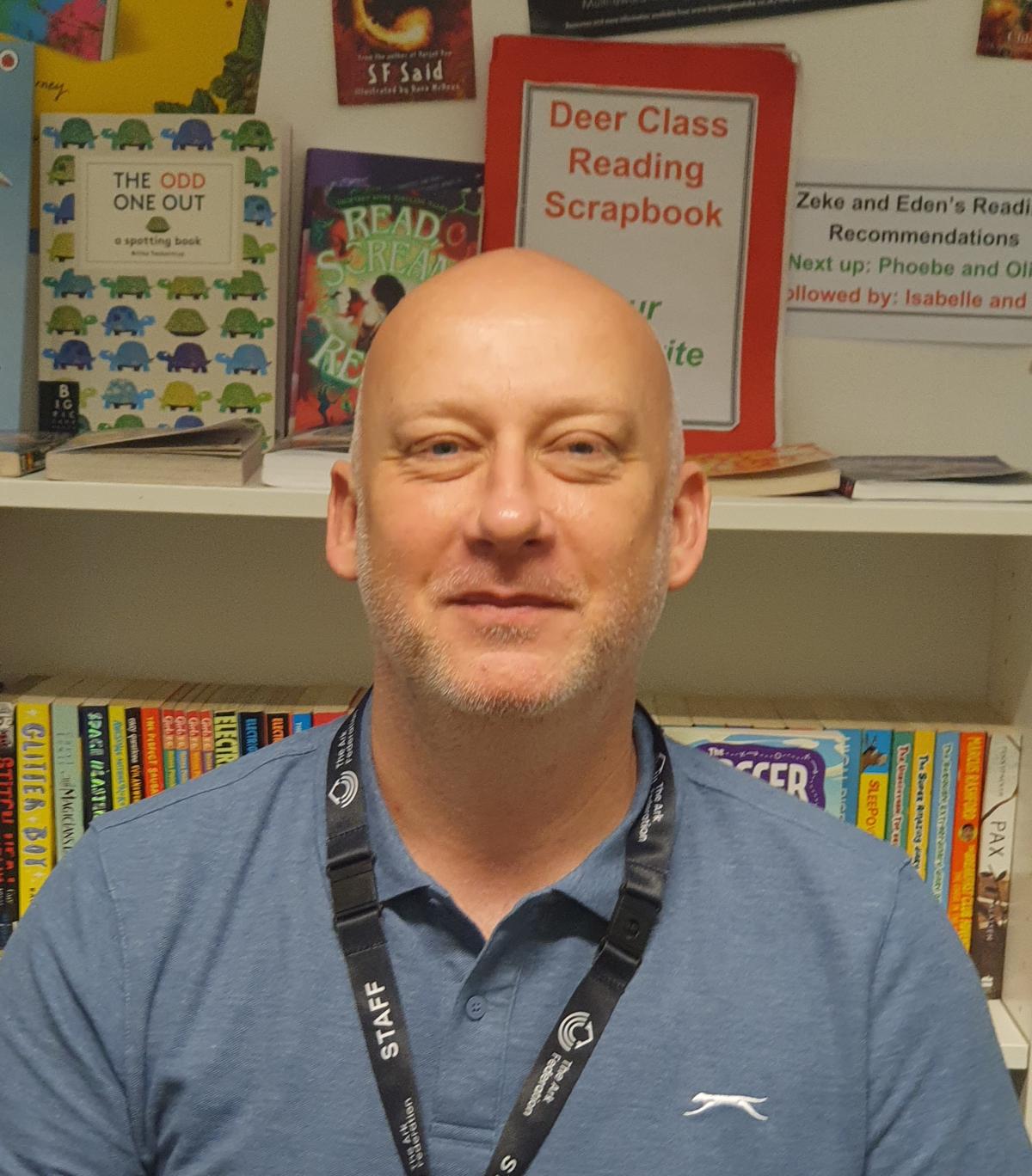

Stories told through poetry are helping many children build confidence as readers. Teacher Jon Biddle explores the growing appeal of verse novels and explains how schools can take part in a new award celebrating the very best of the genre.
A verse novel tells a story through connected poems rather than prose, blending narrative with the rhythm and imagery of poetry.
Until a few years ago, the only verse novel most children had read was Cloud Busting by Malorie Blackman, which is rightly regarded as a classic.
Recently, many more have been published and they now have a higher profile than ever.
What makes verse novels special?
First, they look different on the page, with the text appearing far less intimidating.
There are fewer words and more white space.
For many children, the reduced amount of text makes reading feel possible: ‘At last, here’s a book I might be able to finish!’

Most verse novels are written in the first person, often from perspectives that are underrepresented in children’s literature.
They are also very powerful when read aloud, with the rhythm of the words making them ideal for performance.
Verse Novel Awards
About six months ago, Marie Zarro, English lead at St Joseph’s Catholic Primary School in Droitwich, and I started to talk about what we could do to help raise the profile of these hugely important texts.
We came up with the idea of launching a verse novel award.
We discussed it further and decided that if it was judged by pupils from different schools around the UK, it would have even more authenticity.
READ MORE: Book expert shares simple ways to make reading a daily habit
As Marie explained: "Verse novels can open up reading in such a powerful way for children. They show young readers that stories can be moving, exciting and deeply emotional while also giving them the space and beauty of poetry.
"We set up a Verse Novel WhatsApp group to bring teachers and librarians together, helping them discover more about the genre and share their enthusiasm and ideas. The Verse Novel Awards are about supporting schools to put these wonderful books in the hands of more children and celebrating the incredible impact they can have."
In order to involve as many pupils as possible, we decided to organise separate awards for primary and secondary schools, which brought new challenges.
Being aware that budgets are extremely tight and too little money is being ring-fenced for books, we wanted to ensure that this did not become a barrier for schools that wanted to take part.
We put out a request for sponsorship and were absolutely thrilled when Badger Learning and Literacy Tree both kindly agreed to sponsor one of the awards.
This would ensure that at least 20 schools could participate.
We then launched the awards, asking schools to contact us if they were interested in taking part.
As I write this, more than 180 schools have been in touch, which is absolutely incredible!
Many are purchasing their own copies of the texts so that they are able to join in.
Marie and I realised that shortlisting for both the primary and secondary awards would be difficult.
READ MORE: A simple way you could help tackle childhood illiteracy in Norfolk
We enlisted the help of two knowledgeable and passionate verse novel advocates, Lio Luxton, librarian at St James School, Exeter, and Kaiti Fletcher, librarian and literacy specialist at King Edward VI King’s Norton School for Boys, Birmingham, to take care of the secondary shortlist.
This allowed us to focus on the primary award.
After several weeks of intense reading, we came up with five books for the primary list and six for the secondary one.
We believe they all bring something exciting to the verse novel format, based on the strength of the storytelling, the emotional impact, the variety of voices or a combination of all three.
The books were sent out to schools in early September, along with the judging criteria.
We are asking each school to select one winning title by the end of November.
There will then be an online awards ceremony in December, to which all the participating schools will be invited.
As it is the first time that either of us has ever organised anything like this, we have learned a lot along the way.
However, the children’s book community (authors, literacy companies, teachers, librarians and more) has been supportive at every stage, and we are hugely appreciative of everyone who has helped us.
If you would like your school to take part in the judging process, please email versenovelawards@gmail.com

This article has been published as part of Born & Read in Norfolk – a year-long initiative highlighting the importance of reading and writing, delivered in partnership with the National Centre for Writing, headline sponsor RWE and sponsor YouGarden.
Follow the campaign throughout the year in our coverage and on social media using #BornAndRead2026 or get in touch at readingmatters@newsquest.co.uk


Share