




Wetter and stormier weather is on the way for Norfolk this autumn, with El Niño bringing prolonged periods of rain.
Long-range forecasts suggest the county could face a damp and unsettled autumn and early winter, driven by what experts are calling an "unprecedented" El Niño event.
El Niño, a natural climate pattern linked to warmer sea temperatures in the tropical Pacific, is expected to have a significant impact on global weather systems this year.

Professor Adam Scaife, head of long-range forecasting at the Met Office, said: "We should be clear that this is an unprecedented event.
"I have never seen an El Niño signal this intense in our forecasts."
Rising sea temperatures in the eastern Pacific are expected to exceed 3C above the long-term average in the coming months, with some models suggesting a rise of 4C.
"This implies that if the forecast is accurate - and other forecast systems show similar extreme values - then 2026 will far exceed our recent experience of El Niño and its worldwide climate influences," Professor Scaife explained.

In the UK and north-western Europe, El Niño typically brings wetter and stormier conditions during the autumn and early winter.
Dr Nick Dunstone, a science fellow at the Met Office, added: "During large El Niño events, significantly more heat is released from the ocean to the atmosphere, leading to an increase in global average temperature, particularly in the calendar year following the winter peak of the El Niño."
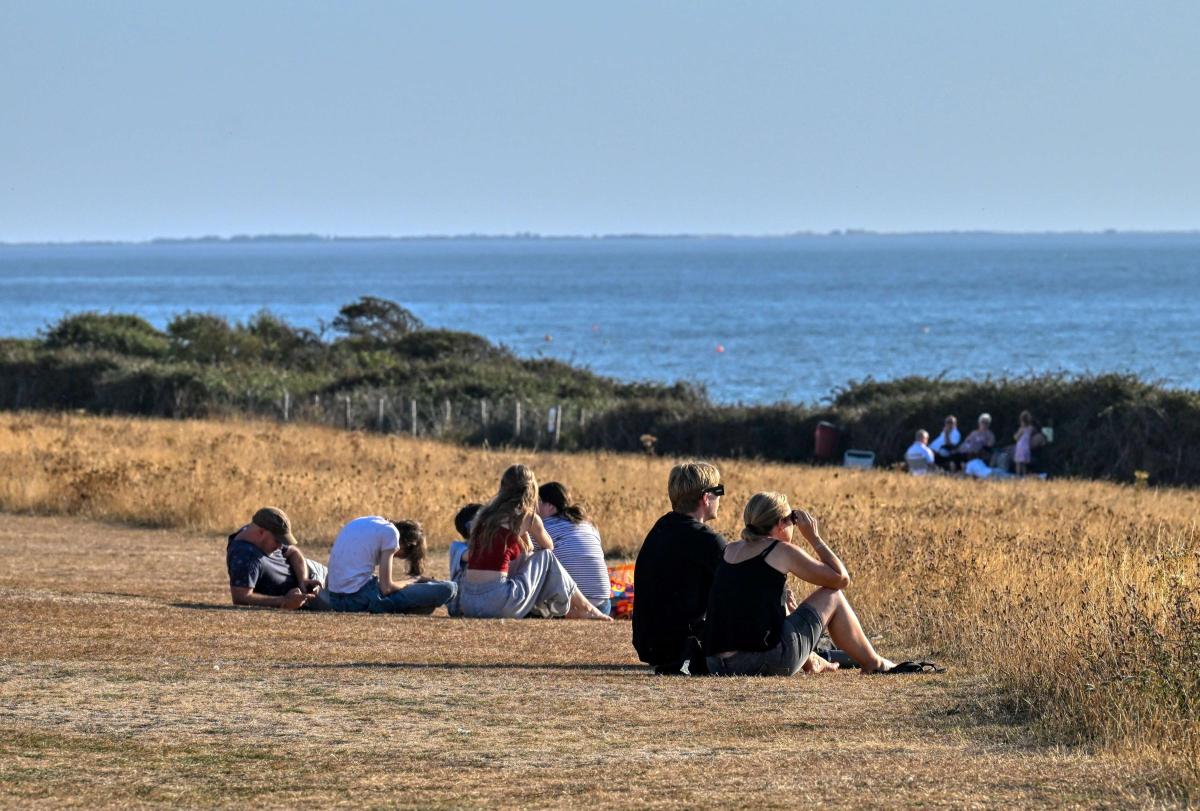
It comes after what has been one of the driest and hottest summers in years, which has left farmers frustrated, wildlife struggling and seen much of the country placed under a hosepipe ban, with an official drought declared.
At the end of July, the Environment Agency announced that Norfolk was suffering from “flash drought” as a result of very low rainfall and high temperatures.


Share